Someone decided a potato would make a good greeting card. Someone else started selling building materials small enough to fit in your palm. A third made greeting cards that become more annoying the longer you own them. People bought all three.
These five internet businesses are easy to laugh at and worth looking at more closely. Each turned an unusual idea into something people could order. The figures below are historical reported sales or revenue, with the period and source identified. They are not current earnings, profit, or a ranking of financial performance.
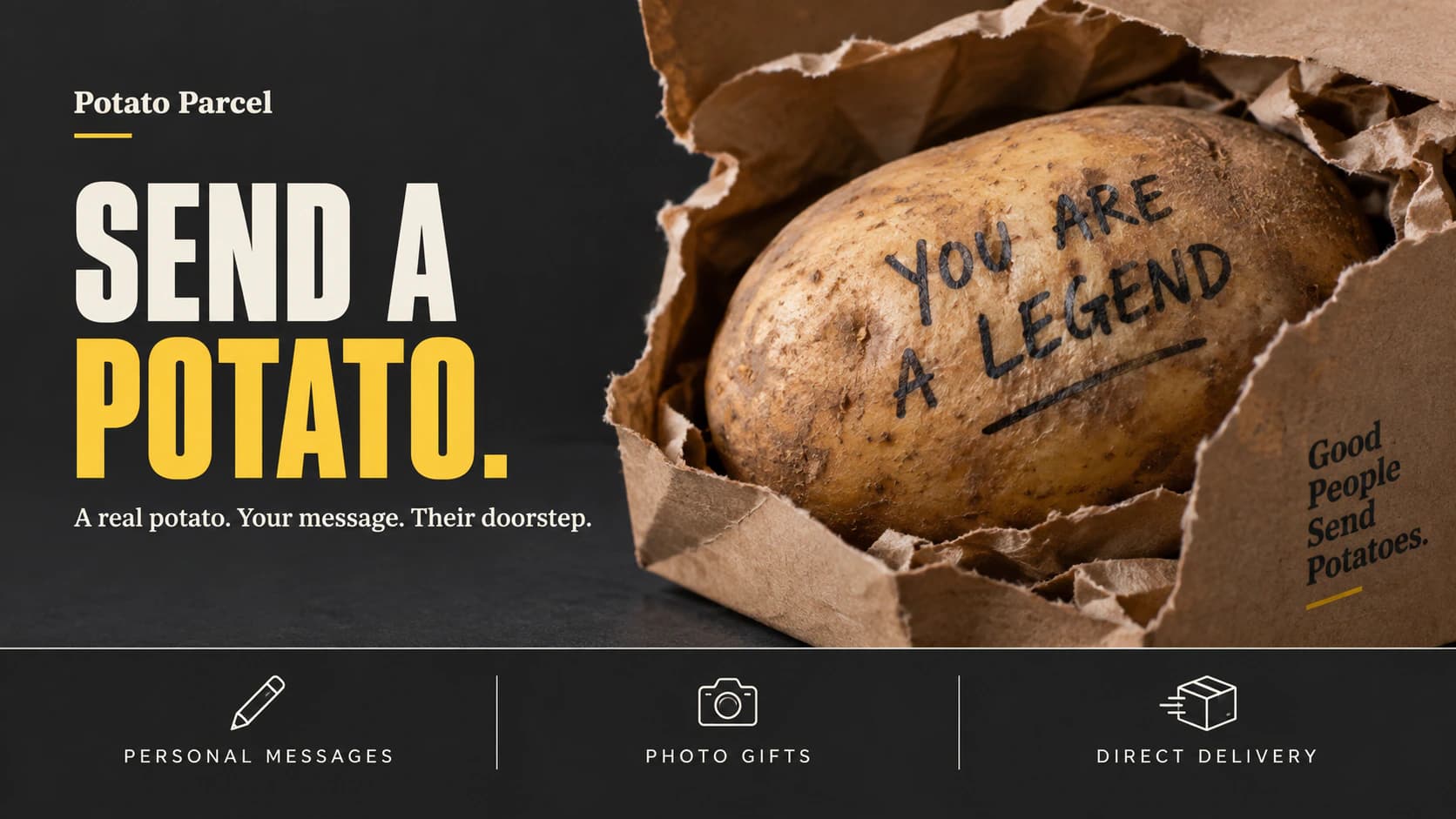
A real potato. A personal message.
Potato Parcel
Write a message, choose a recipient, and send them a potato. Potato Parcel makes the mismatch between the object and the occasion the entire point. A birthday greeting or an inside joke becomes much harder to forget when it arrives on something normally destined for dinner.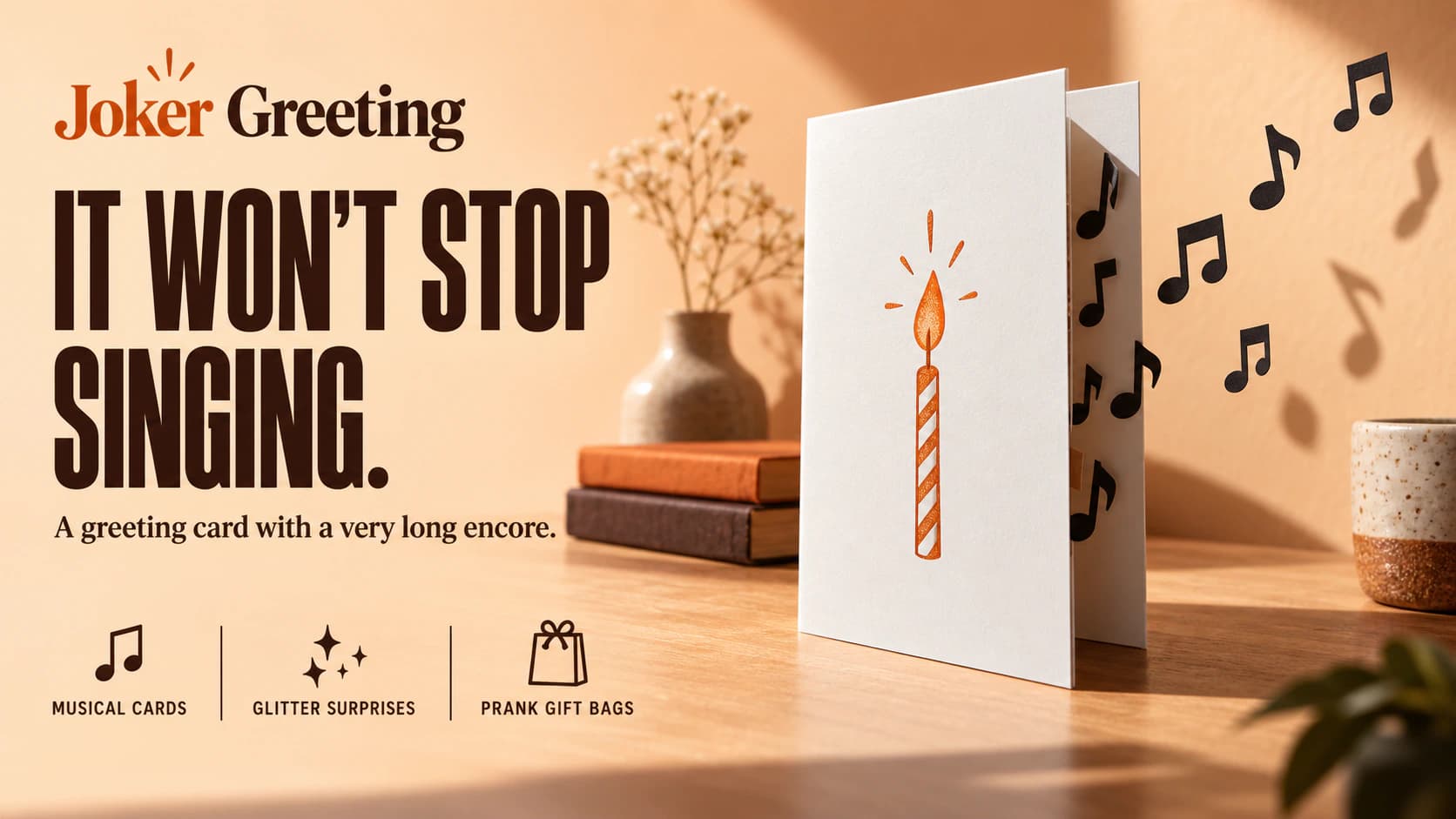
The birthday song has no intention of ending
Joker Greeting
Joker Greeting sells musical prank cards that keep playing after you close them. What starts as a normal greeting turns into a problem the recipient has to deal with. The company has also expanded into glitter surprises, musical bags, and other prank products.
A construction supply shop for your desk
Mini Materials
Mini Materials sells miniature cinder blocks, red bricks, wooden pallets, and other small building supplies. They can become model walls, little structures, displays, or a project you start simply because a tiny stack of bricks is sitting in front of you.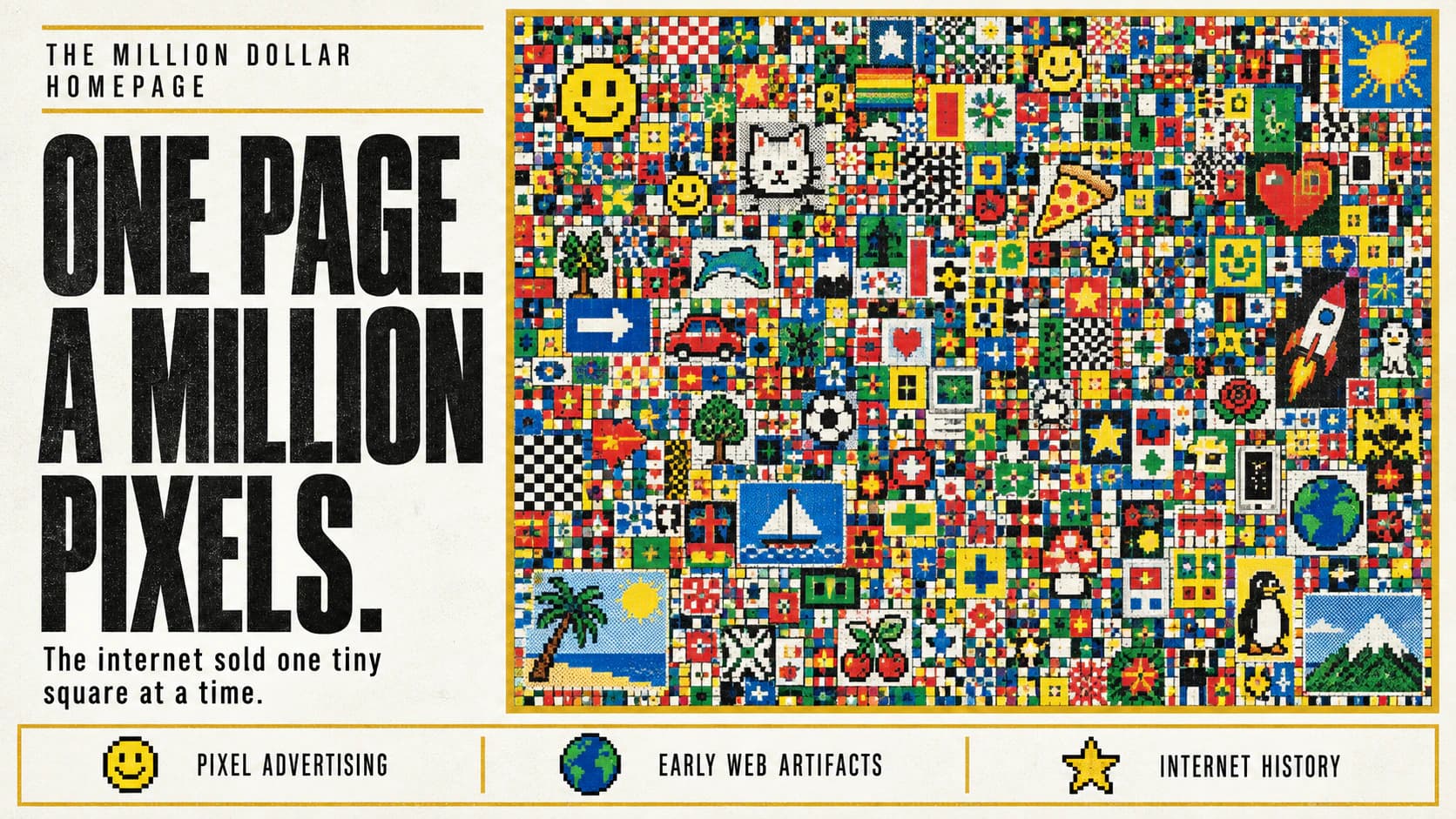
One webpage, sold a few pixels at a time
The Million Dollar Homepage
In 2005, Alex Tew divided a webpage into one million pixels and offered space to advertisers. Buyers supplied small images and links, gradually filling the page with a dense collage of businesses, promotions, and personal projects. The original mosaic is still there to explore.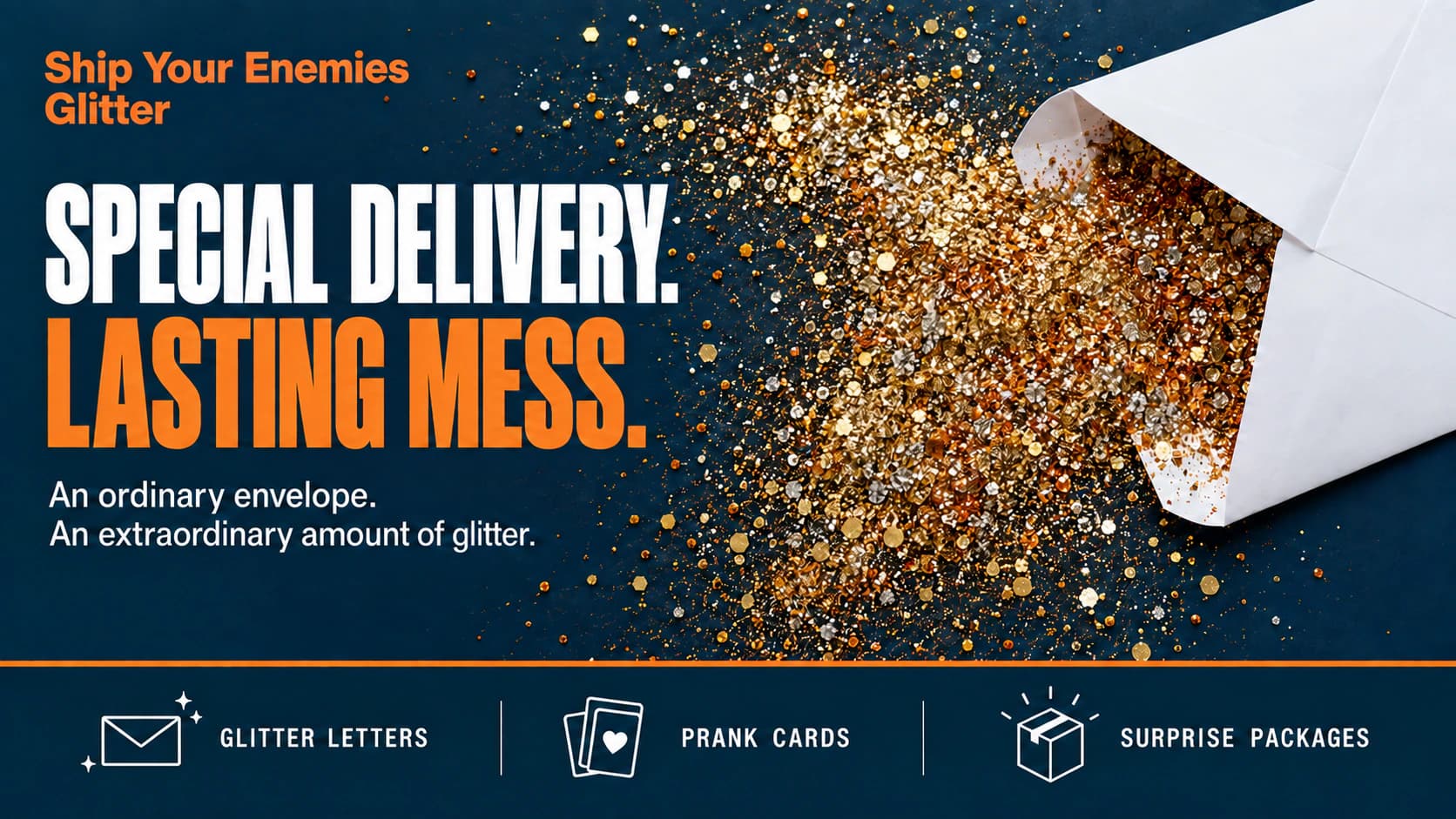
A business name that explains the whole product
Ship Your Enemies Glitter
The original offer was an envelope of glitter delivered to someone else. The name did most of the explaining. The shop now offers several glitter and novelty-prank formats, but the basic appeal remains the same: an ordinary-looking delivery with an inconvenient surprise inside.What makes an unusual idea worth paying for?
Each offer gives the buyer something specific to imagine: a friend's confused expression, a song that keeps going, a miniature project taking shape, or a place on a famous webpage. The product can be strange while the reason to buy it stays simple.
For an indie maker, that is a useful question to ask of an idea: who would want this, on what occasion, and what would they tell someone else about it? These examples show several possible answers. They do not tell us how many similar experiments failed, or whether the same idea would work again today.
Sources and revenue notes
The figures span different years and business models. Monthly revenue, annual revenue, and total launch sales are labelled separately and should not be compared as if they measure the same thing. Founder disclosures are attributed as reported figures, not independently audited accounts. The observations about product appeal are Biltib's editorial interpretation.
Potato Parcel: CNBC's April 2018 report on six-figure annual revenue.
Joker Greeting: Starter Story founder update reporting over US$3.5 million per year.
Mini Materials: February 2018 founder interview reporting US$20,000 per month.
The Million Dollar Homepage: Harvard Library Innovation Lab's history and sales total.
Ship Your Enemies Glitter: the founder's account of the launch and fulfilment challenge.