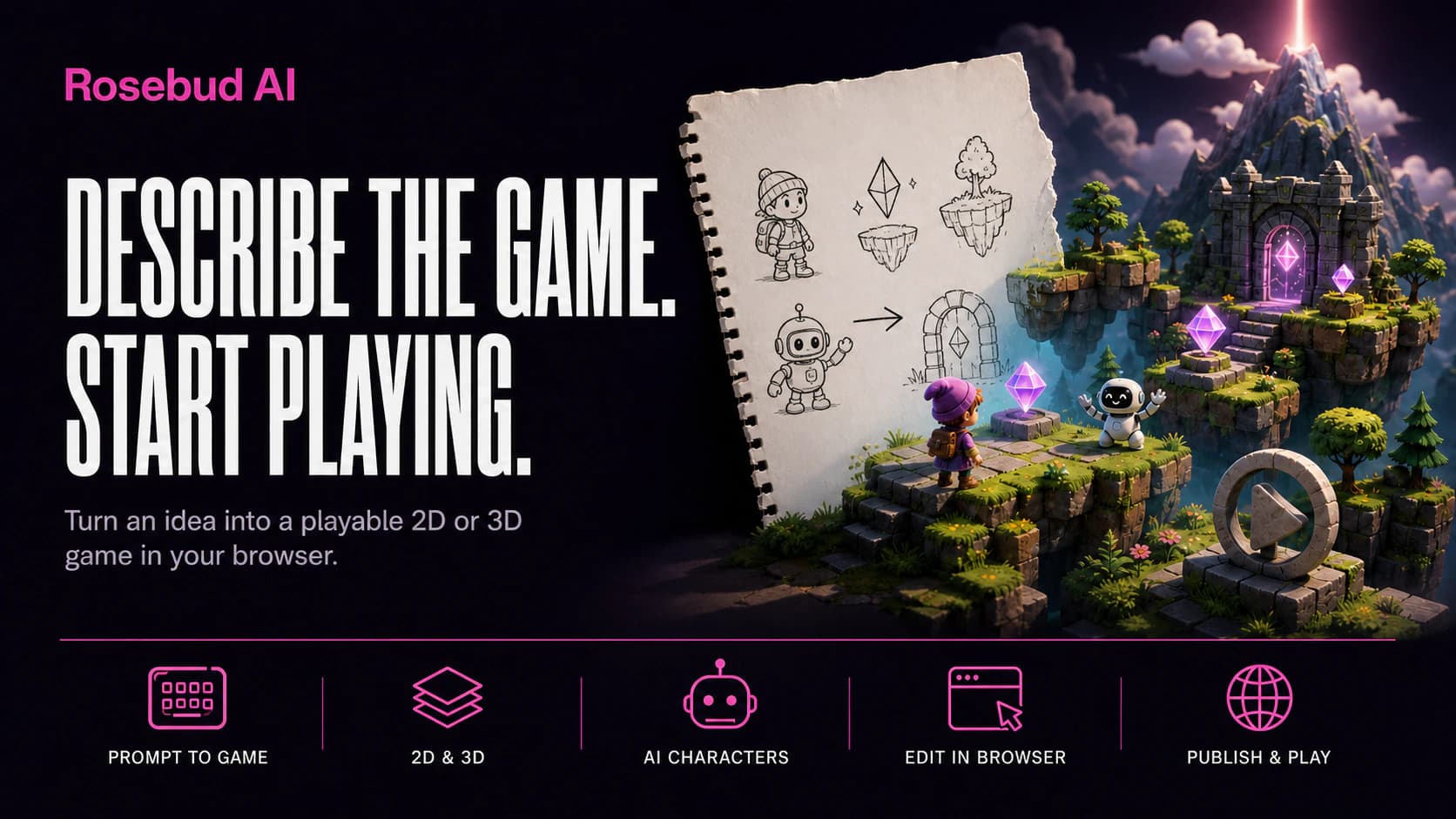
Playable game builder
Rosebud AI
Describe a game, test the playable draft, and publish it in the browser.Why it helps solo developersRosebud removes setup, hosting, and the empty scene, so you can spend the first session testing whether the core mechanic is actually fun.
Explore Rosebud AI on Biltib 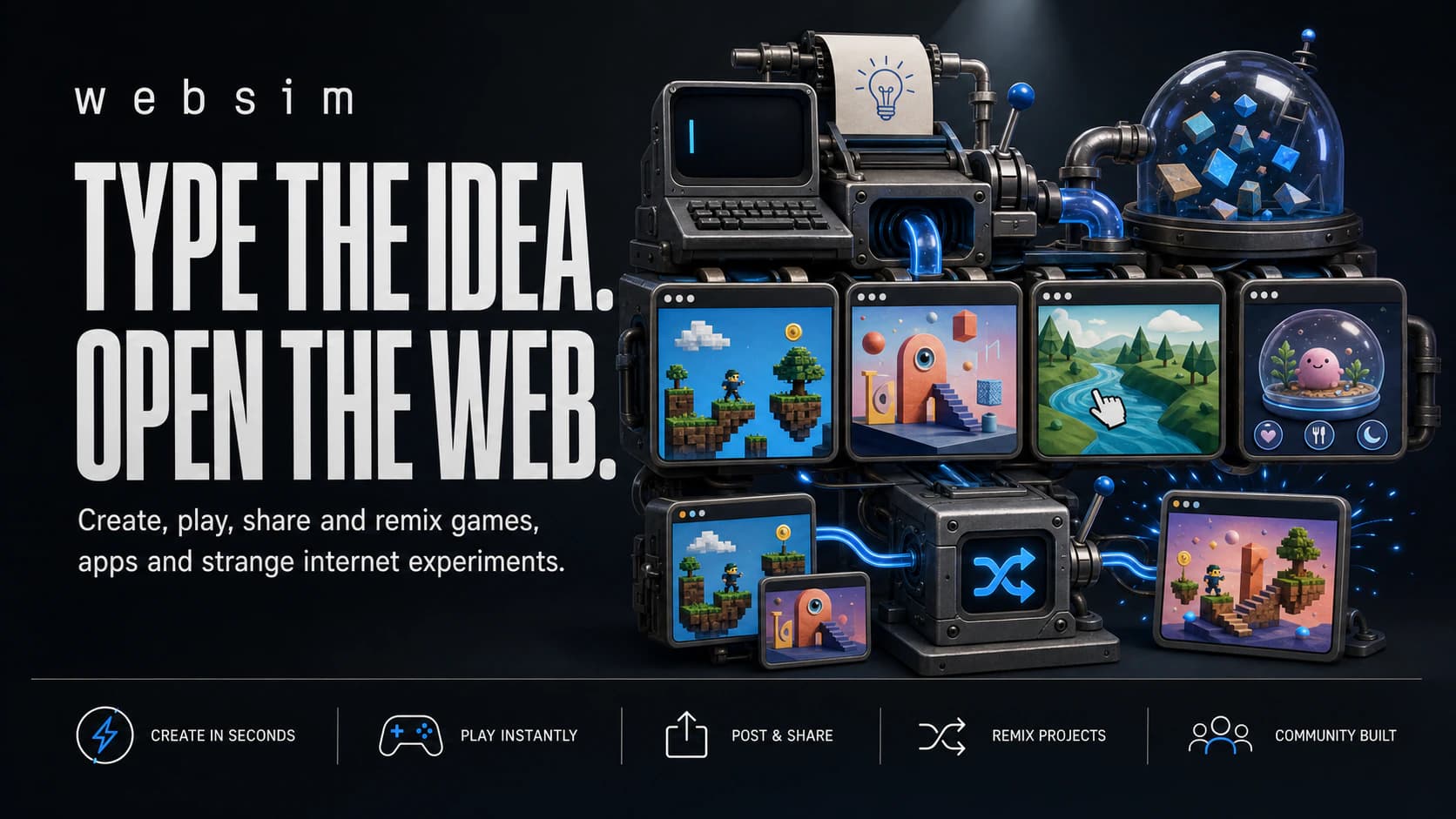
Interactive prototyping
Websim
Turn a strange game idea into something playable, shareable, and remixable.Why it helps solo developersWebsim makes small interactive experiments cheap to test. You can explore a mechanic, interface, or mood before committing to a larger build.
Explore Websim on Biltib 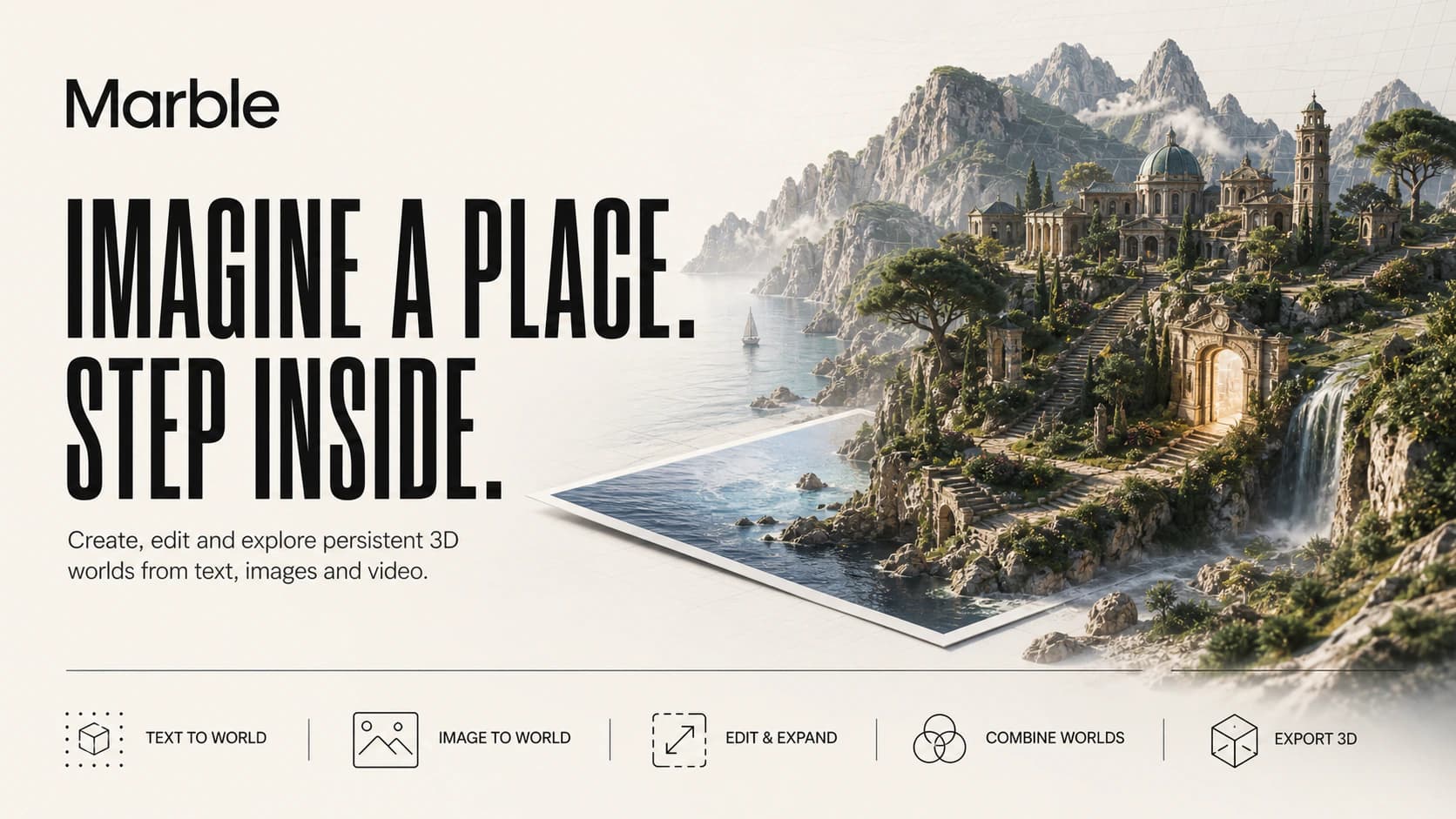
3D world creation
Marble by World Labs
Turn text or images into explorable 3D environments you can edit and export.Why it helps solo developersMarble gives one person a fast way to explore locations, spatial layouts, and atmosphere before final modelling and cleanup.
Explore Marble on Biltib 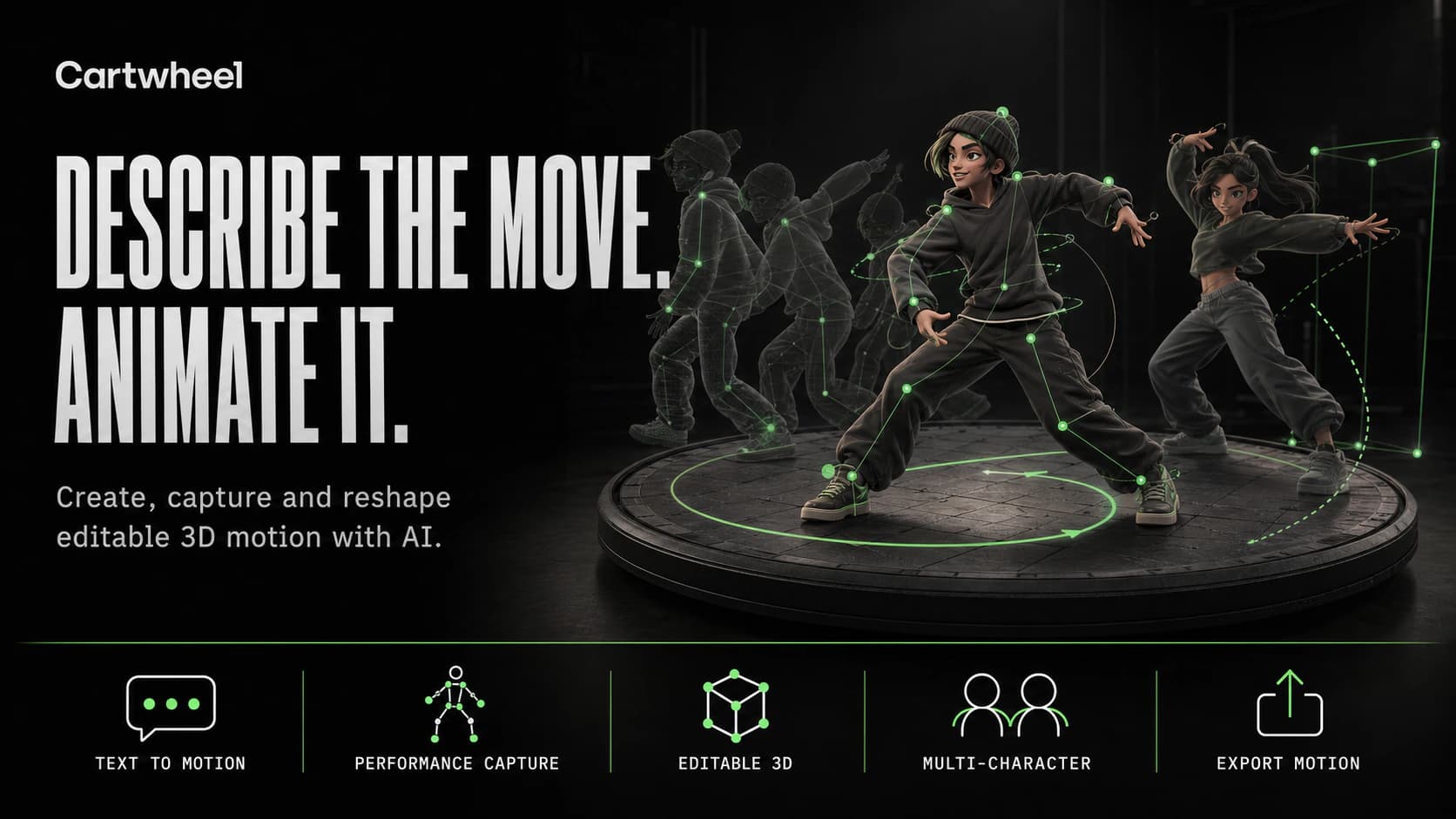
3D character animation
Cartwheel
Write a movement, preview it on a character, and export the animation.Why it helps solo developersCartwheel replaces the blank animation timeline with a usable motion draft that can move into Blender, Maya, Unity, or Unreal for refinement.
Explore Cartwheel on Biltib 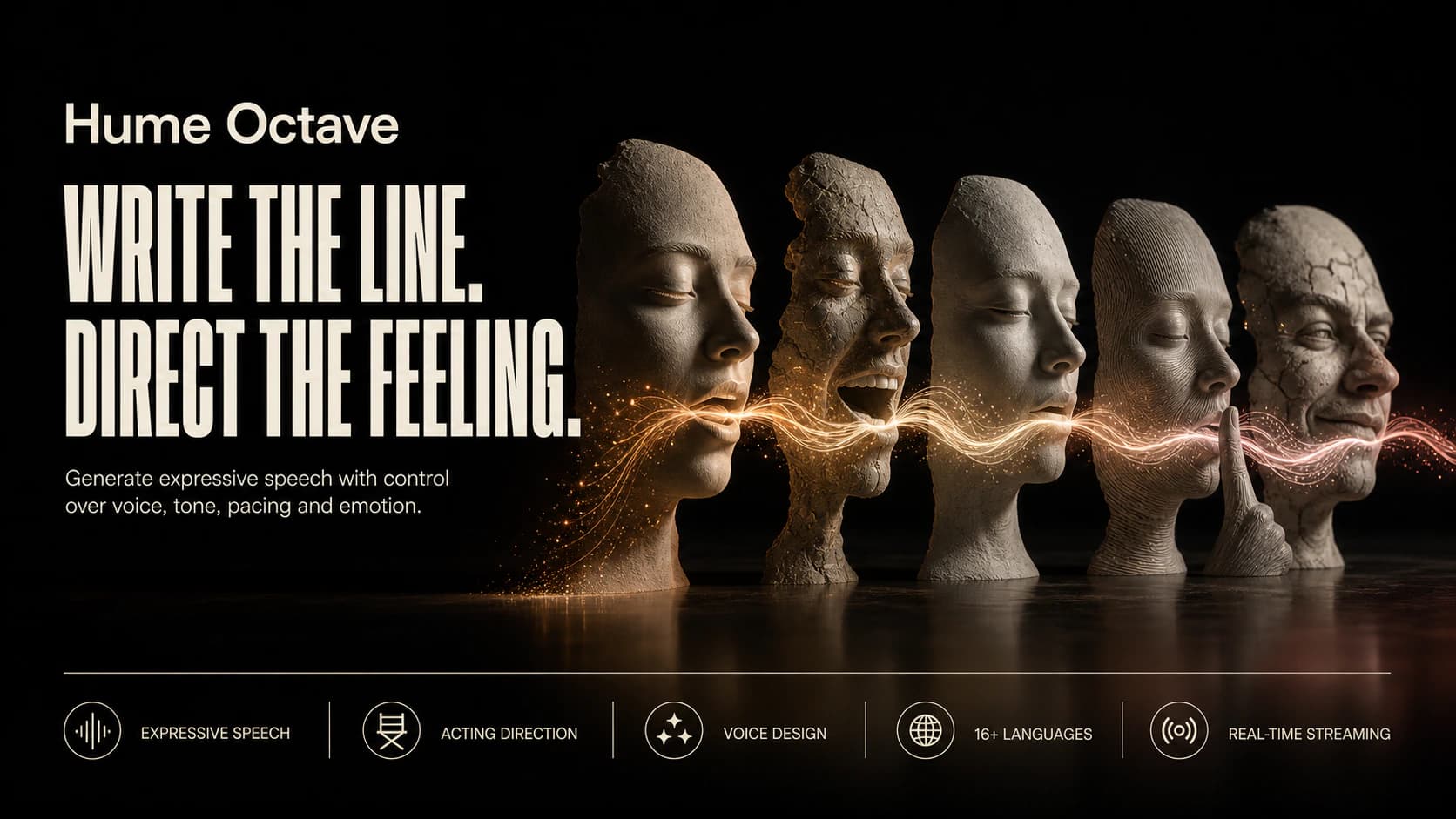
Character voice
Hume Octave
Design a character voice and direct its emotion, rhythm, and delivery in text.Why it helps solo developersHume Octave lets a small team audition characters and shape performances without recording every early dialogue test in a studio.
Explore Hume Octave on Biltib The solo developer advantage
The useful shift is not that one person can press a button and receive a finished game. It is that one person can now test more of the game before needing a full production team. The winning workflow is still selective: generate a draft, judge it quickly, keep what works, and refine the parts players will notice.